#!/usr/local/cpanel/3rdparty/bin/perl

# cpanel - scripts/sshcontrol                      Copyright 2022 cPanel, L.L.C.
#                                                           All rights reserved.
# copyright@cpanel.net                                         http://cpanel.net
# This code is subject to the cPanel license. Unauthorized copying is prohibited

#----------------------------------------------------------------------
# This script controls a Net::OpenSSH session.
#
#It can authenticate a connection via password or SSH private key.
#
#It can connect via:
#   1) root login
#   2) user login, then su to root
#   3) user login, then sudo to root
#
#Additionally, existing connections may persist and be reused.
#
#Once connected, it can:
#   1) copy a file from/to local/remote
#   2) AS ROOT: execute an arbitrary command on the remote server
#
#Inputs:
#   key/value are read from STDIN as a hash,
#   serialized with Cpanel::AdminBin::Serializer::Dump()
#
#
#   Required arguments:
#       authuser    The user as which to identify during the SSH login.
#
#       host        The remote host.
#
#       ctl         "ssh" or (usually "scp", but anything defined will do)
#
#
#   Additional, optional arguments:
#       external_master             ctl_pass parameter for Net::OpenSSH
#                                   Required if die_on_pid is not given.
#
#       die_on_pid                  ID of a specific process for the SSH control process
#                                   to watch and self-destruct upon the end of that
#                                   process. Defaults to the script's process ID.
#
#       port                        passed to Net::OpenSSH
#
#       root_pass                   If authuser is "root", used to login;
#                                   otherwise, used to escalate privileges via su.
#                                   (Don’t submit if you mean to do sudo.)
#
#       ssh_private_key_password    passphrase for sshkey
#
#       sshkey                      filename under $HOME/.ssh/
#
#       stay_alive                  boolean; whether to keep the SSH control
#                                   process around and pass back its PID and
#                                   path in the response
#
#       wheel_pass                  Used to login as a non-root user.
#                                   If there is no root_pass, also used to escalate
#                                   privileges via sudo.
#
#
#   Additional arguments when ctl is "ssh":
#       cmd                         if ctl is "ssh", executed AS ROOT on the remote server
#
#
#   Additional arguments when ctl is "scp":
#       destfile                    if ctl ne "ssh", passed to Cpanel::SSHControl::scp
#                                   NOTE: If ".", value is read from the last node in the
#                                   path from srcfile
#
#       direction                   if ctl ne "ssh", passed to Cpanel::SSHControl::scp
#
#       srcfile                     if ctl ne "ssh", passed to Cpanel::SSHControl::scp
#
#
#Output:
#   This speaks the "protocol" that Whostmgr/Remote/Parser.pm understands.
#   Note that this prints even error statuses to STDOUT.
#
#----------------------------------------------------------------------

package Script::SSHControl;

use strict;
use warnings;

use IO::Pipe                     ();
use Cpanel::AdminBin::Serializer ();
use Cpanel::ForkAsync            ();
use Cpanel::SSHControl           ();
use Cpanel::Locale::Lazy 'lh';
use Cpanel::TimeHiRes         ();
use Cpanel::Exception         ();
use Cpanel::Sys::Setsid::Fast ();
use Cpanel::BinCheck::Lite    ();

my $ONEDAY = (86400);

my @REQUIRED_ARGS = qw( authuser host ctl );

Cpanel::BinCheck::Lite::check_argv();

my $debug = 0;
__PACKAGE__->script() unless caller();

sub script {    ## no critic qw(Subroutines::ProhibitExcessComplexity)
    my ($class) = @_;

    local $| = 1;

    local $ENV{'TERM'} = 'dumb';

    my $self = {};
    bless $self, $class;

    my $parsed_args = Cpanel::AdminBin::Serializer::SafeLoadFile( \*STDIN );

    my @missing = grep { !length $parsed_args->{$_} } @REQUIRED_ARGS;
    if (@missing) {
        _leave( lh()->maketext( 'Specify the [list_and_quoted,_1] [numerate,_2,parameter,parameters].', \@missing, ( scalar @missing ) ) );
    }

    my $escalation_method;
    if ( $parsed_args->{'root_escalation_method'} && $parsed_args->{'root_escalation_method'} eq 'none' ) {
        $escalation_method = 'none';
    }
    else {

        # NB: Avoid length() here because we want to interpret
        # root_pass==0 as no root password.
        my $gave_root_pass = !!$parsed_args->{'root_pass'};

        if ( length $parsed_args->{'wheel_pass'} ) {
            if ( $parsed_args->{'authuser'} eq 'root' ) {
                _leave( lh()->maketext( 'If “[_1]” is “[_2]”, you cannot specify “[_3]”.', qw(authuser root wheel_pass) ) );
            }

            # Just a wheel/sudo password? Gotta be sudo.
            if ( !$gave_root_pass ) {
                $escalation_method = 'sudo';
            }
        }

        # Root password + non-root = su
        if ($gave_root_pass) {
            if ( $parsed_args->{'authuser'} ne 'root' ) {
                $escalation_method = 'su';
            }
        }
    }

    my $cmd = $parsed_args->{'cmd'};

    my $ssh_key = $parsed_args->{'sshkey'} ? ( ( getpwuid($>) )[7] . "/.ssh/" . $parsed_args->{sshkey} ) : undef;

    my $ssh_username = $parsed_args->{'authuser'};

    $parsed_args->{'die_on_pid'} ||= $$;

    my $auth_info = {
        'ssh_username'             => $ssh_username,
        'ssh_ip'                   => $parsed_args->{'host'},
        'ssh_port'                 => $parsed_args->{'port'},
        'root_pass'                => $parsed_args->{'root_pass'} || ( $ssh_username eq 'root' ? $parsed_args->{'wheel_pass'} : undef ),
        'wheel_pass'               => $parsed_args->{'wheel_pass'},
        'ssh_private_key_password' => $parsed_args->{'ssh_private_key_password'},
        'root_escalation_method'   => $escalation_method,
        'ssh_private_key'          => $ssh_key,
        'key_or_pass'              => ( $ssh_key ? 1 : 0 ),
    };

    my ( $status, $master_pid, $data );
    my $ssh_obj;

    if ( $parsed_args->{'external_master'} ) {
        $0       = "sshcontrol parent: $auth_info->{'ssh_ip'} - external master";
        $ssh_obj = Net::OpenSSH->new( 'child', external_master => 1, ctl_path => $parsed_args->{'external_master'} );
    }
    else {
        $0 = "sshcontrol parent: $auth_info->{'ssh_ip'} - create connection";
    }

    my $keep_ssh_master = $parsed_args->{'stay_alive'} ? 1 : 0;

    if ( $ssh_obj && $ssh_obj->check_master() ) {
        print "Reused existing connection.\n";
        $0 = "sshcontrol parent: $auth_info->{'ssh_ip'} - reused external master";
    }
    else {
        $0 = "sshcontrol parent: $auth_info->{'ssh_ip'} - creating connection";
        if ( $parsed_args->{'external_master'} ) {
            $keep_ssh_master = 1;
        }
        ( $status, $master_pid, $data ) = $self->_create_ssh_master_connection( $auth_info, $parsed_args->{'die_on_pid'} );
        if ( !$status ) {
            _ssh_error_to_whm_remote_error_and_leave($data);
        }
        $ssh_obj = Net::OpenSSH->new( 'child', external_master => 1, ctl_path => $data );
    }

    if ( $ssh_obj->error() ) {
        my $ssh_error = $ssh_obj->error();
        _ssh_error_to_whm_remote_error_and_leave($ssh_error);
    }

    $0 = "sshcontrol parent: $auth_info->{'ssh_ip'} - attaching to external";
    my $ssh_control = Cpanel::SSHControl->new_from_external( 'debug' => 0, 'quiet' => 0, 'verbose' => 0, 'auth_info' => $auth_info, 'ssh' => $ssh_obj );
    $0 = "sshcontrol parent: $auth_info->{'ssh_ip'} - attached to external";

    $SIG{'TERM'} = sub {
        $ssh_control->disconnect();
    };

    if ( $parsed_args->{ctl} eq 'ssh' ) {
        $0 = "sshcontrol parent: $auth_info->{'ssh_ip'} - ssh";
        my ( $status, $msg ) = $ssh_control->exec_as_root($cmd);

        if ( !$status ) {
            _ssh_error_to_whm_remote_error_and_leave($msg);
        }
    }
    elsif ( $parsed_args->{'ctl'} eq 'scp' ) {
        $0 = "sshcontrol parent: $auth_info->{'ssh_ip'} - scp";
        my $destfile = $parsed_args->{'destfile'} eq '.' ? ( split( m{/+}, $parsed_args->{'srcfile'} ) )[-1] : $parsed_args->{'destfile'};
        my ( $status, $msg ) = $ssh_control->scp(
            'direction' => $parsed_args->{'direction'},
            'srcfile'   => $parsed_args->{'srcfile'},
            'destfile'  => $destfile,
        );

        if ( !$status ) {
            _ssh_error_to_whm_remote_error_and_leave($msg);
        }
        elsif ( $parsed_args->{'direction'} eq 'download' && !-e $destfile ) {
            _ssh_error_to_whm_remote_error_and_leave("The destination file: “$destfile” failed to download.");
        }
    }
    else {
        die "Invalid “ctl”: [$parsed_args->{'ctl'}]";
    }

    $self->_write_sshcontrol_info( $master_pid, $ssh_obj );

    if ( !$keep_ssh_master || !$master_pid ) {
        $ssh_control->disconnect_master();
    }
    undef $ssh_obj;

    return $self;
}

sub _write_sshcontrol_info {
    my ( $self, $master_pid, $ssh_obj ) = @_;

    if ($master_pid) {
        print "\n==sshcontrolpid=$master_pid==\n";
    }

    print "\n==sshcontrolpath=" . $ssh_obj->get_ctl_path() . "==\n";

    return;
}

sub _leave {
    my @args = @_;

    print @args;

    die "\n";
}

sub _create_ssh_master_connection {
    my ( $self, $auth_info, $die_on_pid ) = @_;

    my $ssh_pipe = IO::Pipe->new();
    my $child_result;

    my $sshcontrol_pid = Cpanel::ForkAsync::do_in_child(
        sub {
            $ssh_pipe->writer();
            open( STDOUT, '>&=' . fileno($ssh_pipe) );    ## no critic qw(RequireCheckedOpen)

            if ($die_on_pid) {
                $0 = "sshcontrol child: $auth_info->{'ssh_ip'} - waiting on pid $die_on_pid";
            }
            else {
                $0 = "sshcontrol child: $auth_info->{'ssh_ip'}";
            }

            my $ssh_control = Cpanel::SSHControl->new( 'debug' => 0, 'quiet' => 0, 'verbose' => 0, 'auth_info' => $auth_info );

            {
                local $@;
                eval { $ssh_control->connect() };
                if ($@) {
                    my $error_as_string = Cpanel::Exception::get_string_no_id($@);
                    $error_as_string =~ s/\n/ /g;

                    # This is going to the parent
                    print "\nsshcontrol:0:" . $error_as_string . "\n";
                    exit(1);
                }

            }

            my $master_pid = $ssh_control->{'ssh'}->get_master_pid();

            if ( !$master_pid ) {
                print "\nsshcontrol:0:failed to create sshcontrol master\n";
                exit(1);
            }

            $SIG{'HUP'}  = 'IGNORE';
            $SIG{'ALRM'} = $SIG{'TERM'} = sub {
                $ssh_control->disconnect_master();
                exit(0);
            };

            # This is going to the parent
            print "\nsshcontrol:1:" . $ssh_control->{'ssh'}->get_ctl_path() . "\n";
            Cpanel::Sys::Setsid::Fast::fast_setsid();
            open( STDIN,  '<', '/dev/null' );    ## no critic qw(RequireCheckedOpen)
            open( STDOUT, '>', '/dev/null' );    ## no critic qw(RequireCheckedOpen)
            open( STDERR, '>', '/dev/null' );    ## no critic qw(RequireCheckedOpen)
            alarm($ONEDAY);                      # If something gets killed off expire in one day

            while ( waitpid( $master_pid, 1 ) != -1 && kill( 0, $die_on_pid ) ) {
                Cpanel::TimeHiRes::sleep(0.1);
            }
            $ssh_control->disconnect_master();
            waitpid( $master_pid, 0 );

            exit(0);
        }
    );

    $ssh_pipe->reader();
    while ( readline($ssh_pipe) ) {
        if (m{^sshcontrol:}) { $child_result = $_; last; }
        print;
    }

    chomp($child_result);

    my ( $sshcontrol_tag, $status, $data ) = split( m{:}, $child_result, 3 );

    return ( $status, $sshcontrol_pid, $data );
}

my @SSH_ERRORS;

sub _ssh_error_to_whm_remote_error_and_leave {
    my ($ssh_error) = @_;

    if ( !@SSH_ERRORS ) {
        @SSH_ERRORS = (
            [ qr{master process exited unexpectedly:\s+([^:]+).*?No such file or directory} => 'RemoteSSHMissing' ],
            [ qr{No such file or directory}                                                 => 'RemoteSSHMissing' ],
            [ qr{normalize shell}                                                           => 'RemoteSSHMissing' ],
            [ qr{Name or service not known}                                                 => 'RemoteSSHHostNotFound' ],
            [ qr{Connection timed out}                                                      => 'RemoteSSHTimeout' ],
            [ qr{(scp failed)}                                                              => 'RemoteSCPError' ],
            [ qr{(^scp:.*)}                                                                 => 'RemoteSCPError' ],
            [ qr{(Connection (?:to [^ ]+? )?closed)}                                        => 'RemoteSSHConnectionFailed' ],
            [ qr{(No route to host)}                                                        => 'RemoteSSHConnectionFailed' ],
            [ qr{(Connection refused)}                                                      => 'RemoteSSHConnectionFailed' ],
            [ qr{(lost connection)}                                                         => 'RemoteSSHConnectionFailed' ],
            [ qr{(Failed to escalate to root)}i                                             => 'RemoteSSHRootEscalationFailed' ],
            [ qr{(timeout)}i                                                                => 'RemoteSSHTimeout' ],
            [ qr{master process exited unexpectedly:\s+(.*)}                                => 'RemoteSSHAccessDenied' ],

            #A catch-all, must be last.
            [ qr<> => 'RemoteSSHAccessDenied' ],
        );
    }

    for my $re_code (@SSH_ERRORS) {
        if ( $ssh_error =~ $re_code->[0] ) {
            my $raw_error = $1 || $ssh_error;
            $raw_error =~ s/=//g;
            $raw_error =~ s/\r*\n/ /g;
            _leave("\n==sshcontrol_error=$re_code->[1]=$raw_error==\n");
        }
    }

    # If we did not parse the error, we need to show it
    # but only if we haven't already to avoid showing it twice
    print $ssh_error . "\n";

    #This error is meant to look a bit more "professional" than
    #"Oops! We should never get here!". :)
    die "Misdirected execution flow!";
}

1;
Zerion Mini Shell 1.0
Video Chat en Casa - Ganar dinero haciendo videochat en casa - Page 2
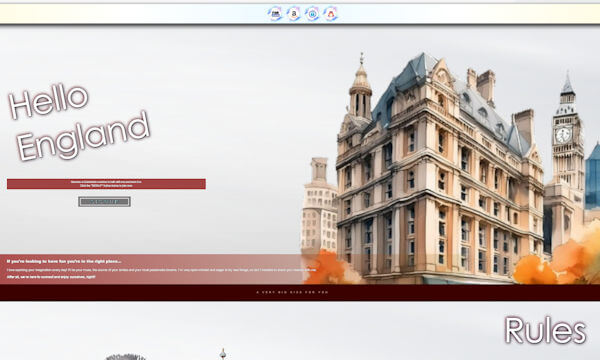
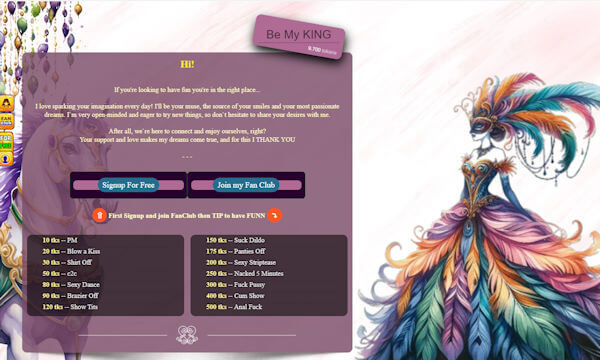
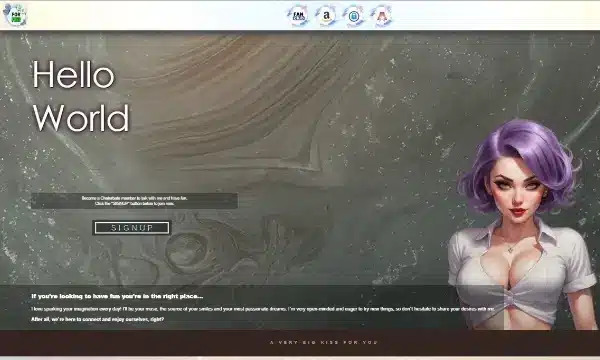
Convierte tu perfil en una experiencia: un diseño que transmite profesionalismo, sensualidad y confianza, ideal para elevar tu marca personal en Chaturbate. Ver Demo Las instrucciones con imagenes estan disponibles…
Diseño creado para modelos que quieren destacar: visual atractivo, estructura clara y una presencia que engancha y retiene audiencia. Ver Demo Las instrucciones con imagenes estan disponibles en este articulo.…
Más que un perfil, una vitrina: este diseño está pensado para destacar tu imagen, comunicar tu estilo y atraer usuarios desde el primer vistazo. Ver Demo Las instrucciones con imagenes…
Haz que tu perfil trabaje por ti: un diseño limpio y sensual que resalta tu esencia, ordena tu información y convierte visitas en fans reales. Ver Demo Las instrucciones con…
Transforma tu perfil en Chaturbate con un diseño profesional y llamativo: este estilo potencia tu presencia visual, destaca tu personalidad y hace que tu bio sea más atractiva para los…
Diseño de perfil para Chaturbate: visual atractivo, estilo sensual y una atmósfera que invita a quedarse, interactuar y disfrutar de cada momento del show. Ver Demo Las instrucciones con imagenes…
Un espacio pensado para provocar curiosidad y conexión: miradas que hablan, conversaciones que fluyen y una experiencia íntima donde el respeto y la diversión van de la mano. Ver Demo…
Un perfil atractivo y divertido diseñado para conectar y entretener: invita a los visitantes a disfrutar, compartir momentos y explorar deseos con un toque abierto y juguetón, con reglas claras…
Una biografia con imagenes de fondo grandes, que se pueden cambiar con tus fotos (a peticion). Ten en cuenta que si decides personalizar el diseño, tus fotos deben ser tambien…
Una biografia con diversos elementos como bolsos, maquillajes, tacones… Todo esto, sobre un fondo blanco y repartidos en varias secciones. Ver Demo Las instrucciones con imagenes estan disponibles en este…
 Mini Shell